

Description
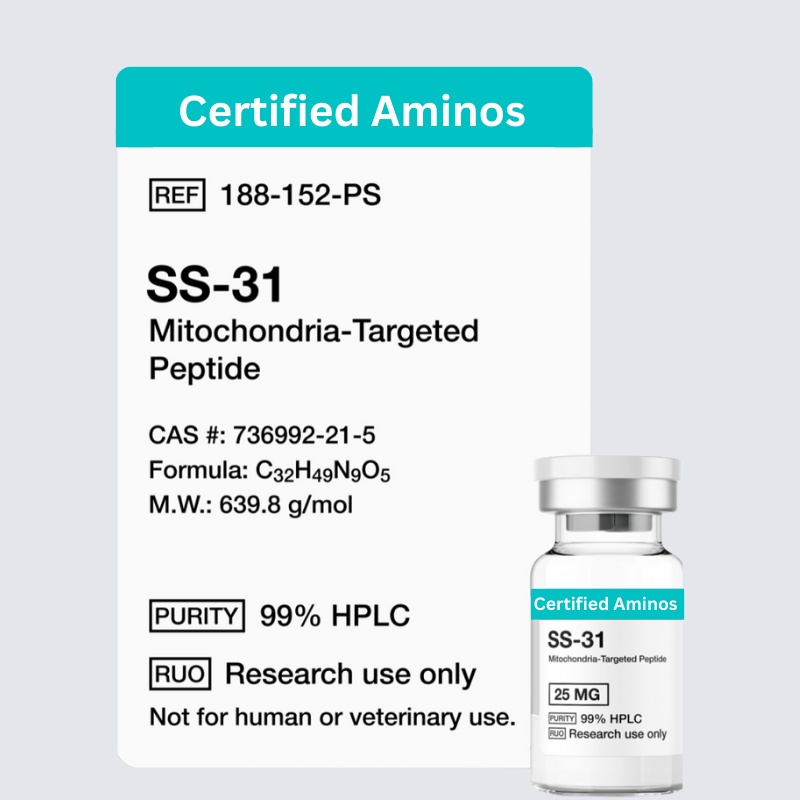
SS-31 (25mg) – Mitochondrial Support Peptide
SS-31, also known as elamipretide, is a powerful peptide designed to support and enhance mitochondrial function—the energy centers of our cells. It has shown promise in reducing inflammation, protecting cells from oxidative stress, and improving energy production through ATP synthesis. Research suggests SS-31 may be useful in managing conditions linked to mitochondrial dysfunction, including heart disease, Alzheimer’s, Parkinson’s, diabetes, and more.
What is SS-31?
SS-31 is a small, cell-permeable peptide that easily crosses into cells and even reaches the inner membranes of mitochondria. It binds to cardiolipin, a critical molecule in the mitochondria that helps power the electron transport chain—the main process by which cells create ATP, their energy source.
By stabilizing cardiolipin, SS-31 supports healthier mitochondrial function and limits the formation of damaging reactive oxygen species (ROS), which are known contributors to cellular aging and many chronic diseases.
Why Mitochondria Matter
When mitochondria fail to produce enough ATP, it can affect every system in the body—especially organs with high energy needs like the brain, heart, and muscles. This dysfunction is at the core of many conditions, including:
-
Mitochondrial myopathy (muscle weakness, fatigue)
-
Neurodegenerative diseases (Alzheimer’s, Parkinson’s)
-
Cardiovascular diseases
-
Type 2 diabetes
-
Kidney and liver issues
SS-31 was the first peptide to enter clinical trials as a potential treatment for mitochondrial myopathy, showing early promise in improving symptoms and restoring cellular energy.
SS-31 Structure & Properties
-
Peptide Sequence: D-Arg-dimethylTyr-Lys-Phe-NH2
-
Molecular Formula: C₃₂H₄₄N₈O₅
-
Molecular Weight: 639.8 g/mol
-
Synonyms: Elamipretide, MTP-131, Bendavia
-
CAS Number: 736952-21-5
-
PubChem CID: 11764719
Research Highlights
1. Boosting Cellular Energy
Animal studies have shown that SS-31 can rapidly restore ATP production after kidney injury, protect tissue from damage, and improve mitochondrial activity even in aging cells. It’s also been tested in humans with mitochondrial disease, where it improved exercise performance after just five days of treatment—without major side effects.
Although some early trials didn’t meet expected endpoints, researchers believe the results were still encouraging, and more studies are underway with refined testing methods.
2. Heart Health & Recovery
SS-31 has demonstrated impressive benefits for the heart. In both human tissue and animal models, it improved mitochondrial respiration and energy production. Dogs with heart failure treated with SS-31 showed better heart function and energy efficiency. It also reduced heart muscle cell death in studies involving heart attacks, suggesting a protective role during cardiac events.
3. Diabetes Support
In type 2 diabetes, mitochondrial dysfunction plays a major role in long-term complications. SS-31 has been shown to reduce oxidative stress in diabetic patients and increase levels of SIRT1—a protein linked to improved insulin sensitivity and reduced inflammation. These findings highlight SS-31’s potential to support metabolic health and protect against diabetes-related damage.
4. Powerful Anti-Inflammatory Effects
One of SS-31’s most promising traits is its ability to combat inflammation at the cellular level. It reduces oxidative stress by regulating mitochondrial proteins such as FIS1 and decreasing inflammatory markers like NF-kappaB, CD-36, and NADPH oxidase. This makes it a candidate for treating a wide range of inflammatory and neurodegenerative conditions.
Summary
SS-31 is a cutting-edge peptide designed to revitalize mitochondria, enhance cellular energy, and reduce oxidative damage. Its wide-reaching potential spans from improving exercise capacity to reducing heart and brain inflammation. While more research is ongoing, the peptide has already shown strong safety data and promising results across various studies.
Reviews
There are no reviews yet.