

Description
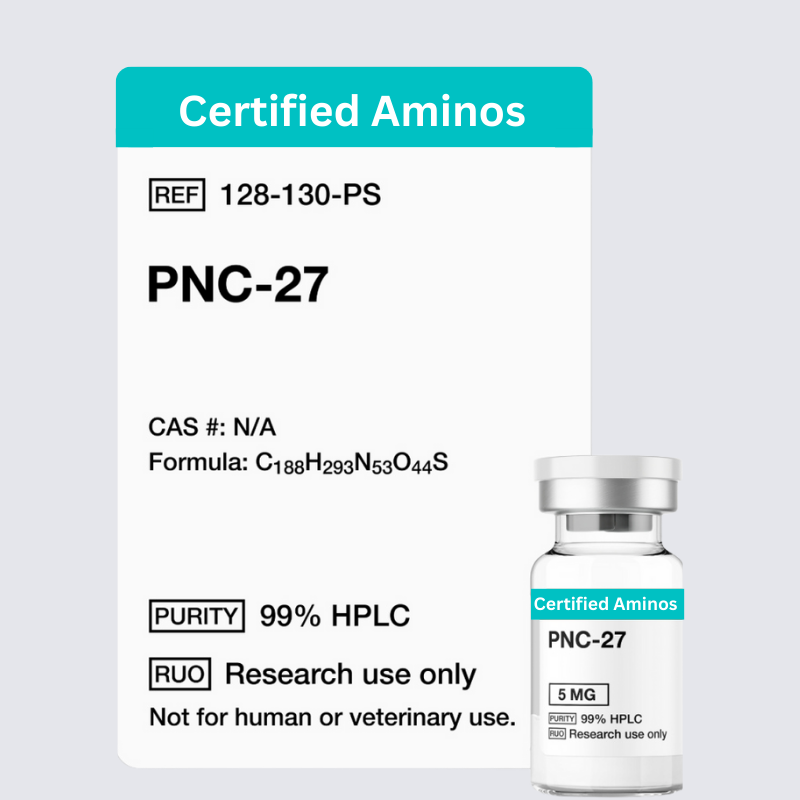
PNC-27 5mg – Investigational Anti-Cancer Peptide for Research
PNC-27 is a synthetic research peptide known for its remarkable ability to selectively target and destroy cancer cells without harming healthy ones. Backed by years of laboratory and preclinical studies, PNC-27 is attracting attention in the scientific community for its potential role in cancer research.
What is PNC-27?
PNC-27 is a lab-engineered peptide that was originally developed to target HIV, but researchers quickly noticed its unique action against cancer cells. It’s designed to bind to a protein called HDM-2, which is commonly found in the cell membranes of cancerous cells—but not in healthy ones.
Once PNC-27 binds to HDM-2, it creates microscopic holes in the cancer cell membrane, a process known as membranolysis. This causes the cancer cells to die off, while leaving normal cells untouched.
How PNC-27 Works
Developed by scientists at SUNY Downstate Medical Center, PNC-27 mimics a part of the tumor-suppressing protein p53. It includes both an HDM-2 binding region and a membrane-penetrating segment. These features allow it to seek out and attach to HDM-2 proteins specifically in cancer cells.
When it binds, PNC-27 disrupts the membrane by forming pores, effectively “bursting” the cancer cell through osmotic imbalance. It’s a highly targeted mechanism, making it especially interesting for researchers focused on developing selective cancer therapies.
Key Research Findings
Numerous studies have explored how PNC-27 interacts with different types of cancer cells:
-
Selectivity: PNC-27 only affects cells expressing HDM-2 in their membranes, sparing healthy tissue.
-
Mechanism: Research shows that the peptide acts as a whole molecule to form pores in cancer cells, rather than breaking down into fragments.
-
Cancer Types Studied: Pancreatic cancer, leukemia, breast cancer, and melanoma are among the types where PNC-27 has shown promising effects in lab studies.
One notable 2010 study published by the American Association for Cancer Research demonstrated that the unique behavior of HDM-2 in tumor cells allows PNC-27 to selectively destroy them. Another study in 2006 observed that related peptides like PNC-28 completely halted tumor growth in animal models.
Observations from Preclinical Studies
In animal studies, researchers observed the following after PNC-27 administration:
-
A drop in pain levels within the first week.
-
Flu-like symptoms around the third week, likely due to immune response.
-
Increased enzyme levels and signs of tumor softening by week 10.
-
By three months, subjects often showed more energy and fewer cancer-related symptoms.
These findings suggest a strong immune reaction to cancer cell death without notable damage to healthy tissue.
Reported Side Effects in Studies
While PNC-27 has shown high selectivity in preclinical trials, some side effects have been reported in animal studies. These include:
-
Skin or nasal irritation
-
Watery or dry eyes
-
Taste changes
-
High blood pressure
-
Headache, back pain
-
Nosebleeds, rectal bleeding
-
Elevated protein in urine
These observations highlight the importance of continued research and controlled study environments.
Clinical Insights and Future Potential
Researchers have confirmed that PNC-27’s mechanism works independently of the p53 tumor suppressor gene, broadening its possible applications. Further investigation into its use on both solid and non-solid tumors is ongoing.
One 2014 study even found that the peptide could destroy leukemia cells—supporting the idea that HDM-2 membrane expression might be a universal target in certain cancers.
While PNC-27 is not approved for medical use, its unique behavior and low toxicity in non-cancerous cells make it a compelling candidate for future cancer treatment research.
Product Specifications
-
Peptide Name: PNC-27
-
Molecular Formula: C188H293N53O45
-
Molar Mass: 4031.7 g/mol
-
Quantity: 5mg
-
Form: Lyophilized powder (for research use only)
For Research Use Only
PNC-27 is offered strictly for scientific and educational research purposes. It is not intended for human or veterinary use, and not approved by the FDA for the treatment or prevention of any disease. Handling and experimentation should be performed only by qualified professionals in a controlled laboratory environment.
Reviews
There are no reviews yet.