

Description
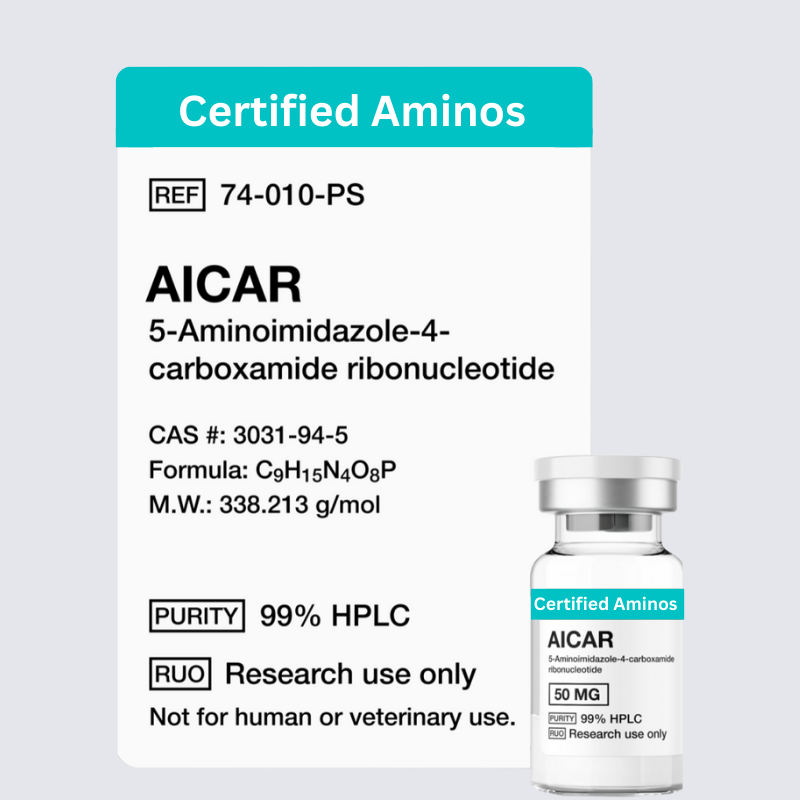
AICAR 50mg – Advanced Research Peptide for Metabolic and Cellular Health
AICAR (5-Aminoimidazole-4-carboxamide ribonucleoside) is a well-researched compound with a wide range of promising benefits in scientific and medical research. It’s most recognized for activating AMP-activated protein kinase (AMPK) — a key player in cellular energy regulation. Originally studied for its heart-protective effects, AICAR is now being explored in fields like diabetes, inflammation, cancer, and even fertility.
What Is AICAR?
AICAR is a synthetic analogue of adenosine monophosphate, naturally found in the body. It helps regulate how cells manage energy, especially during times of stress. By activating AMPK, AICAR influences several crucial biological processes — from improving insulin sensitivity to supporting healthy cardiovascular function.
Interestingly, AICAR has shown effects similar to those of exercise, improving energy metabolism and increasing glucose uptake in muscle cells. This has made it a subject of intense study in obesity, diabetes, and age-related conditions.
Key Benefits of AICAR in Research
Supports Insulin Sensitivity and Glucose Metabolism
Studies in mice have shown that AICAR reduces inflammation in fat tissue — a key contributor to insulin resistance. Even without weight loss, AICAR improved insulin response and glucose balance. It seems to work by activating SIRT1 and modifying immune cell behavior, leading to improved metabolic health.
Mimics Exercise at the Molecular Level
Exercise enhances the number of insulin receptors (GLUT-4) on muscle cells, which helps the body absorb glucose more efficiently. AICAR has been found to mimic these exercise effects, making it a powerful tool for researchers studying metabolic and age-related disorders.
Potential Anti-Cancer Properties
Research suggests AICAR may help slow cancer cell growth by altering their metabolism and increasing their vulnerability to stress. In some studies, AICAR was able to trigger cancer cell death and enhance the effects of chemotherapy — potentially improving treatment outcomes while lowering side effects.
In thyroid cancer models, AICAR induced apoptosis (programmed cell death) via the activation of key proteins like p21 and caspase-3, halting cancer cell survival and spread.
Anti-Inflammatory Activity
AICAR’s activation of AMPK helps regulate inflammation across various tissues. It’s shown promise in conditions such as asthma, colitis, hepatitis, and cardiovascular inflammation. Studies have highlighted its ability to reduce pro-inflammatory markers and suppress immune responses associated with chronic inflammatory diseases.
Cardiovascular Research Applications
Inflammation plays a huge role in heart disease. AICAR has been studied for its ability to reduce plaque buildup, control smooth muscle growth in arteries, and limit immune responses that lead to heart attacks. Research in rabbits suggests that AICAR could even reduce complications after stent placement by preventing the narrowing of blood vessels.
Fertility and Sperm Health
AMPK activators like AICAR have been shown to boost sperm motility and energy metabolism in animal models. By improving the activity of energy-producing enzymes in sperm cells, AICAR may enhance fertilization potential — making it an area of interest for reproductive health research.
Scientific Profile
-
Sequence: 5-Aminoimidazole-4-carboxamide ribonucleoside
-
Molecular Formula: CH₄N₄O₄P
-
Molecular Weight: 338.21 g/mol
-
CAS Number: 3031-04-5
-
Synonyms: AICA ribonucleotide, Z-nucleotide
-
PubChem ID: 65110
Safety and Availability
AICAR has demonstrated low oral and excellent subcutaneous bioavailability in animal studies, with minimal reported side effects. However, it is strictly intended for scientific and research use only. It is not approved for human or veterinary use and should never be ingested or injected into living organisms.
Researcher Acknowledgment
This product description is based on publicly available research and findings from respected scientists including Dr. E. Logan, M.D. and Dr. Spencer Gaskin, M.D., Ph.D. Their work has helped expand the understanding of AICAR’s role in metabolic health, inflammation, and beyond.
Reviews
There are no reviews yet.